
The Art of Self-Care
In today’s fast-moving world, mental well-being often fades into the background. Real self-care isn’t luxury or escape — it’s maintenance. It means intentionally caring for your mind, body, and emotions so you can stay grounded, focused, and resilient. By nurturing your inner balance, you strengthen your ability to handle stress, recover from challenges, and move through life with steadiness and clarity.
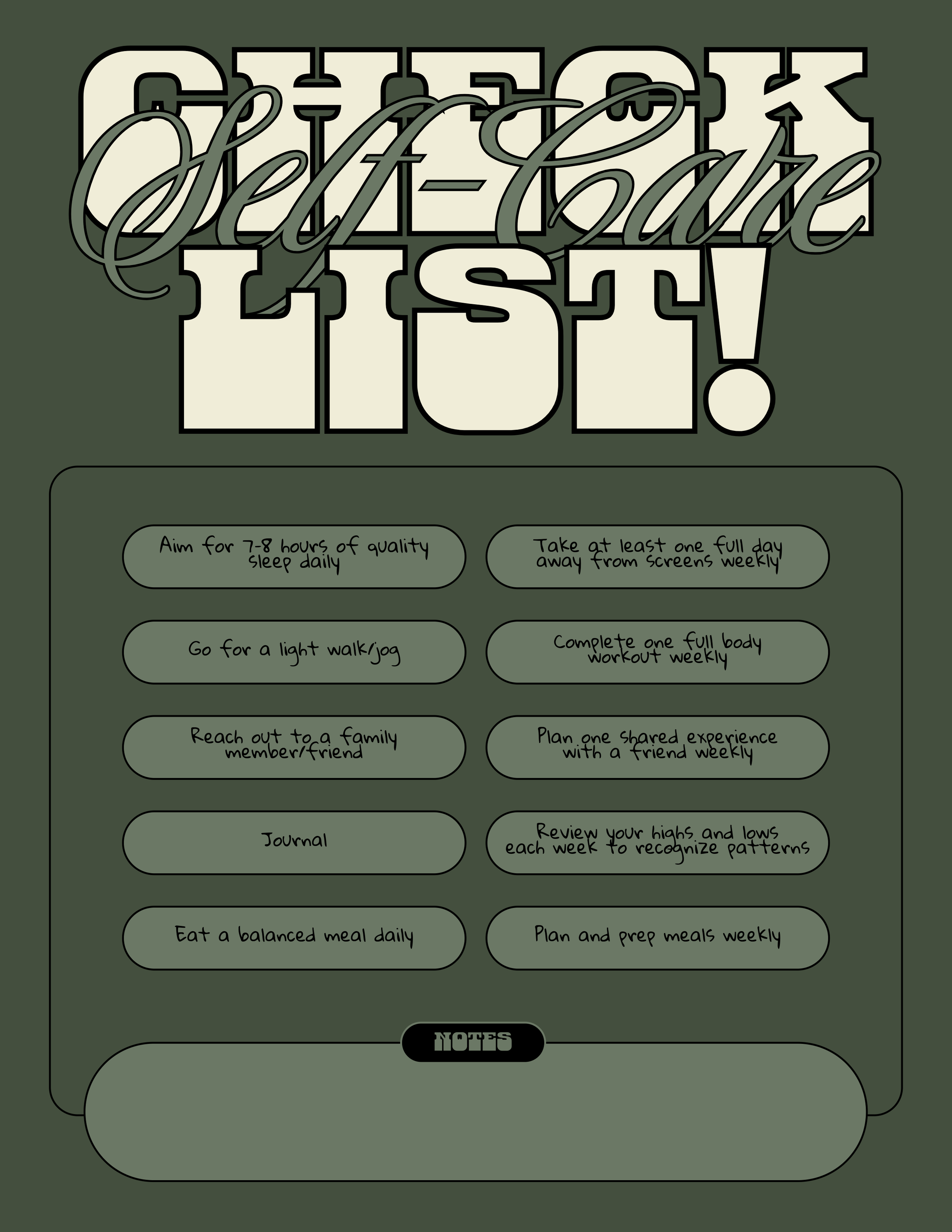
Self-care is the active process of supporting your mental health through rest, movement, connection, and awareness. It doesn’t have to be complicated — it just has to be consistent. This article outlines how to build a realistic self-care routine, with practical tools, checklists, and gentle guidance you can start using today.
Why Self-Care Matters
Stress and burnout don’t appear overnight. They accumulate quietly — through lack of rest, poor boundaries, or emotional overload. Regular self-care helps reset your system, reduce cortisol, improve focus, and nurture a sense of control.
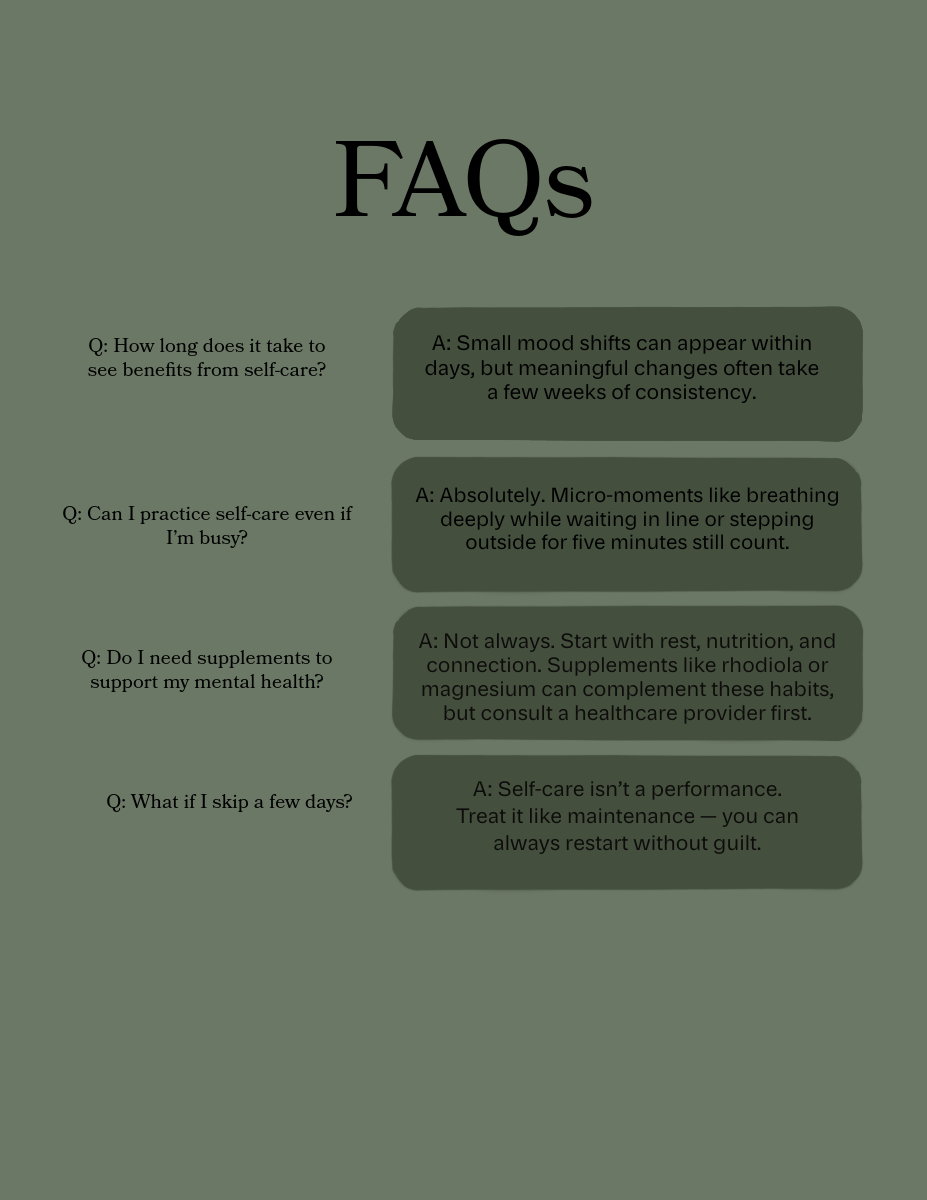
For perspective, research from the National Institute of Mental Health shows that even 15 minutes of daily self-care can reduce symptoms of anxiety and improve cognitive clarity.
4 Powerful Ways to Reduce Stress
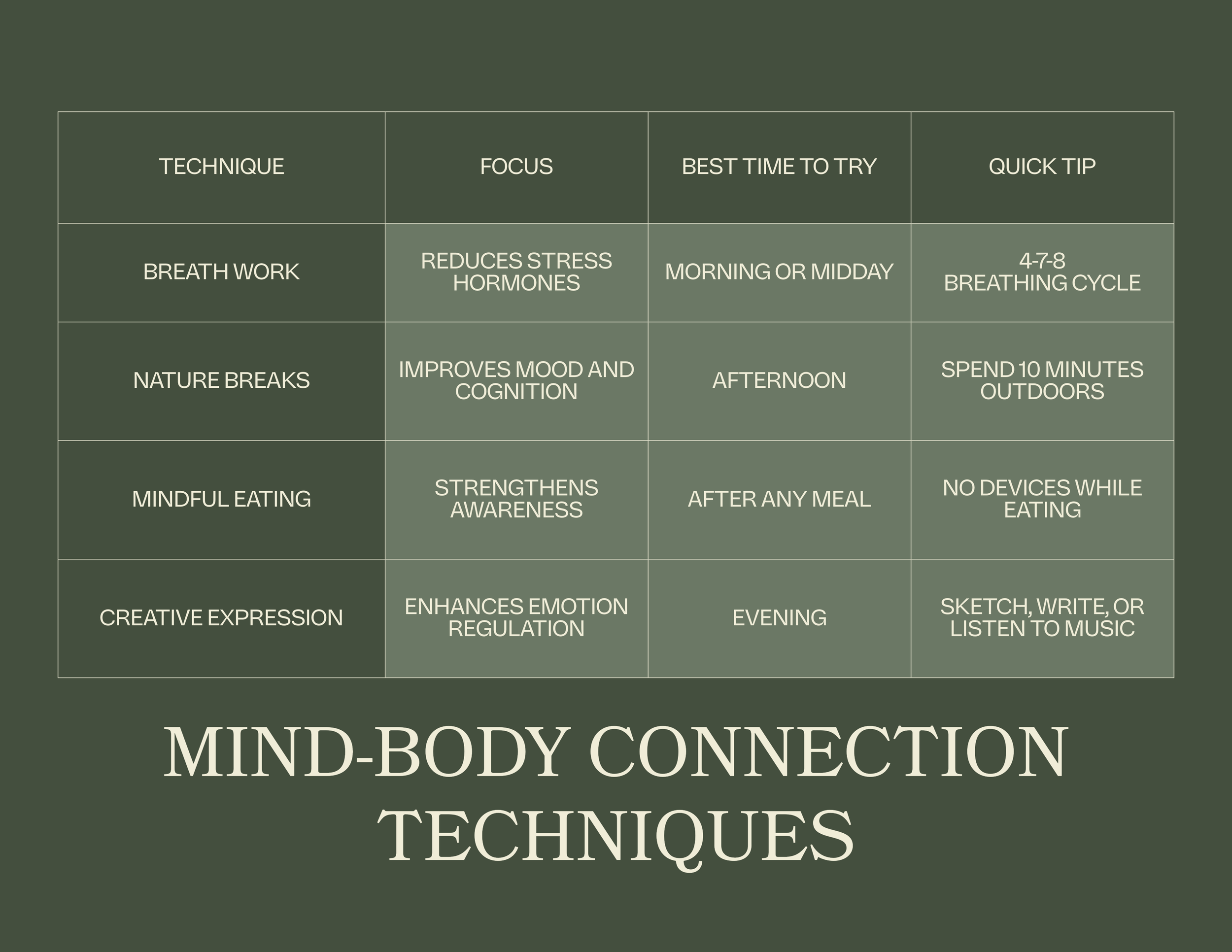
Practice mindful breathing — Take five minutes each morning to inhale deeply, hold briefly, and exhale slowly. Apps like Headspace or Calm can guide you through it.
Use adaptogenic herbs like Rhodiola rosea — Known for balancing mood and energy, rhodiola can help your body regulate stress naturally.
Incorporate movement breaks — Stretch, walk, or do short bursts of exercise throughout your day.
Explore premium THCa cartridges — When used responsibly, products such as premium THCa cartridges can support relaxation and a calm mindset for some users. Always consult local regulations and personal tolerance before trying new supplements.
Spotlight: One Product Worth Exploring
If you’re looking for tools that help reinforce focus and calm, many people find wearable mindfulness aids like the Muse meditation headband helpful. It uses real-time biofeedback to keep meditation on track — a subtle reminder that technology can sometimes be an ally for well-being.

Self-care is less about escape and more about alignment. When you regularly tend to your inner world, life’s external chaos feels less overwhelming. Start where you are, use what you have, and remember: taking care of yourself isn’t selfish — it’s how you stay strong enough to care for everything else.